
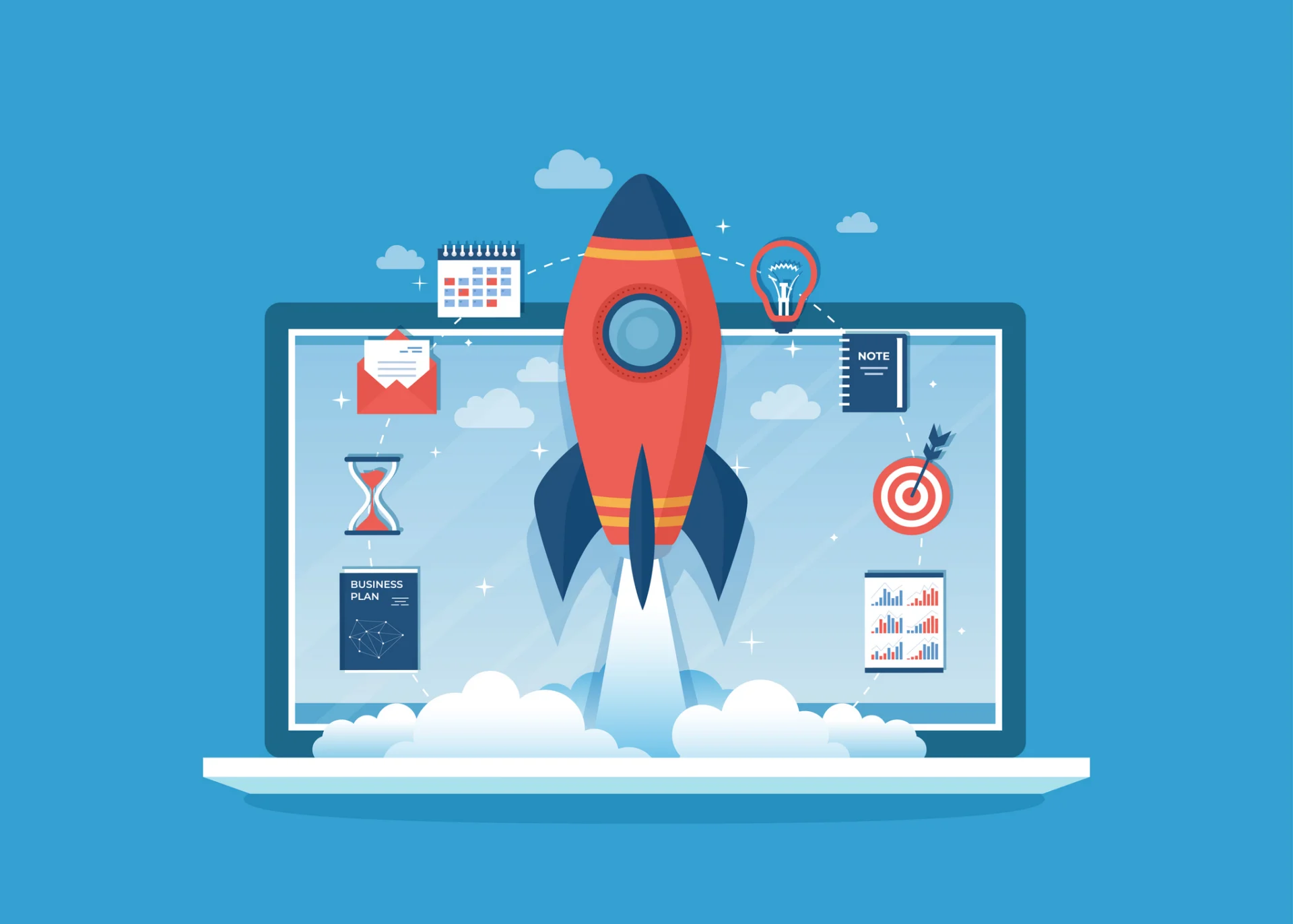
Launching a new website is an exciting milestone for any business, but it’s just one piece of a much bigger digital puzzle. Social media plays a key role in making that launch a success. Think of it as the missing piece that can create the biggest impact once you discover how it fits. When your business successfully connects the two, social media can help you build buzz before launch day, drive traffic the moment your site goes live, and keep the momentum rolling long after.
Your Website Alone Isn’t Enough. Here’s Why:
Reality check incoming! Launching a website without connecting it to social media is like opening a digital storefront without any advertising to guide people in. Your website is your home base – the place you want visitors to explore, engage, and take action. Social media is the network of roads that leads them there, often bringing them back again and again. Here are just a few reasons why pairing the two pays off:
- Boosted visibility from the start: Teasers, countdowns, and sneak peeks create excitement and get people talking before your site even goes live.
- Built-in traffic driver: On launch day, social media posts can send eager, high-quality visitors straight to your website.
- Sustained momentum: Sharing updates, new content, and feature highlights keeps your audience engaged well beyond the first week.
- Feedback and social proof: Likes, comments, shares, and user-generated content give you insights, build credibility, and expand your reach.
- Cross-channel synergy: Social media lets you test messaging, guide users to your website, and re-engage followers who’ve already interacted with your content.
So, how do you turn strategy into action? Let’s tackle it in phases.
Phase 1: Spark Awareness & Curiosity
1. Brainstorm and define a creative hook and key messages.
Before you start sharing posts, make it clear why your audience should think twice about visiting your website. What problem does your site solve? What unique value, story, or competing element do you offer? This core message will guide your social media content, visuals, and calls to action.
2. Teasers & Countdowns
2-4 weeks before your website launches, start teasing content on social media:
- “Coming soon” visuals with partial reveals
- Behind-the-scenes looks at design or development
- Sneak peeks of key features or user experiences
- Countdown posts (e.g., “7 days until launch!”)
**PRO TIP: Make sure to use branded visuals or motion graphics to keep it eye-catching, and every teaser should include a link (or direct users to your bio) for a landing page or “coming soon” sign-up.**
Phase 2: Launch Day! Engage, Track, Improve.
1. Announce Your Launch EVERYWHERE
On launch day, share your news across all your social channels. Use a striking image or video, a clear call-to-action like “Visit the site now,” and highlight your key messages. Consider pinning the post or even boosting it as an ad to maximize reach.
2. Spread Out Your Content
Instead of dropping one big announcement, break your content into smaller posts throughout the day, such as:
- Morning: Launch announcement with a strong image that resonates with your target audience.
- Noon: Feature walkthrough or short demo video.
- Afternoon: Behind-the-scenes peek or team story.
- Evening: Q&A session or user reactions (if possible).
This approach keeps your launch visible across different time zones and keeps audiences engaged all day.
3. Monitor, Respond, Adjust, Repeat.
Keep an eye on comments, shares, and messages. Respond quickly, thank your audience, clarify any confusion, and gather feedback. Users might spot bugs or UX hiccups — use that feedback as valuable insight to make fast improvements.
4. Highlight User-Generated Content and Testimonials
When people start sharing screenshots, reviews, or testimonials, make sure to reshare them. Create a “social proof” post or story showcasing early users’ praise or reactions. Doing so helps build trust and validate your launch to a wider audience.
5. Follow Up with Potential Customers
Visitors who checked out your site but didn’t take action can be retargeted with social media ads that highlight key features, benefits, or special offers. Use tracking pixels (like Facebook or LinkedIn) to capture this traffic and bring them back.
Phase 3: Post-Launch – Keep the Momentum Going.
1. Keep The Content Flowing
Whatever you do, don’t stop sharing new content! Blog posts, tutorials, product updates, and case studies…you name it. Use social media to guide followers back to your website. Each post acts as another entry point, bringing in new visitors and keeping your audience active.
2. Focus on Value-Driven Content
Move beyond “look what we did” and focus on “here’s how you can do X too.” Share tutorials, best practices, and checklists – content that helps your audience solve problems, builds authority, trust, and encourages sharing.
3. Showcase Your Results
As clients start using your website or app, gather data and stories. Share case studies, testimonials, metrics, or before-and-after snapshots. This not only provides social proof but also keeps your social channels full of fresh, real-world content.
4. Consistent Engagement & Smart Content Scheduling
Create a content calendar and mix up your posts with different types of content:
- Educational posts
- Timely or seasonal updates
- Behind-the-scenes glimpses
- Community or user spotlights
- Polls, questions, and conversation starters
Continue engaging with your audience by responding to comments and fostering meaningful relationships. Over time, this approach boosts reach, retention, and loyalty.
5. Launch Promotions, Campaigns & Special Offers
Run seasonal promotions, limited-time discounts, or referral incentives, and use social media to share them. Drive traffic back to your website landing pages to maximize conversions.
6. Measure, Optimize, & Test
Keep an eye on key metrics like site traffic, bounce rates, conversions, social engagement, and click-throughs. Identify what’s working and focus on it. Test different headlines, visuals, ad creatives, CTAs, and posting times. As always, keep looking for ways to improve.
When you use social media strategically instead of just posting for the sake of posting, it can give your website launch a bigger advantage and keep the momentum going long after launch day. Aligning your channels like this not only attracts clients but also shows you can execute what you preach. From pre-launch teasers to launch-day announcements and post-launch content, a coordinated approach ensures your audience stays engaged, your messaging stays consistent, and your brand builds credibility.
With the right strategy, you can turn every effort into an opportunity to drive traffic, generate leads, and build stronger connections with your audience. Partner with Unparalleled Developers to make sure your website launch and social strategy work together seamlessly. What are you waiting for? Let’s get started.